
Communications
Two-way radios, dispatch and intercom links for teams across a site.
Select communications equipment around who needs to speak to whom and where they work. Scope portable radios, base stations, supported repeaters, dispatch and intercom links, with coverage testing and regulatory or provider requirements confirmed for the chosen service.
- Site focused
planning - Connected
systems - Ongoing
support
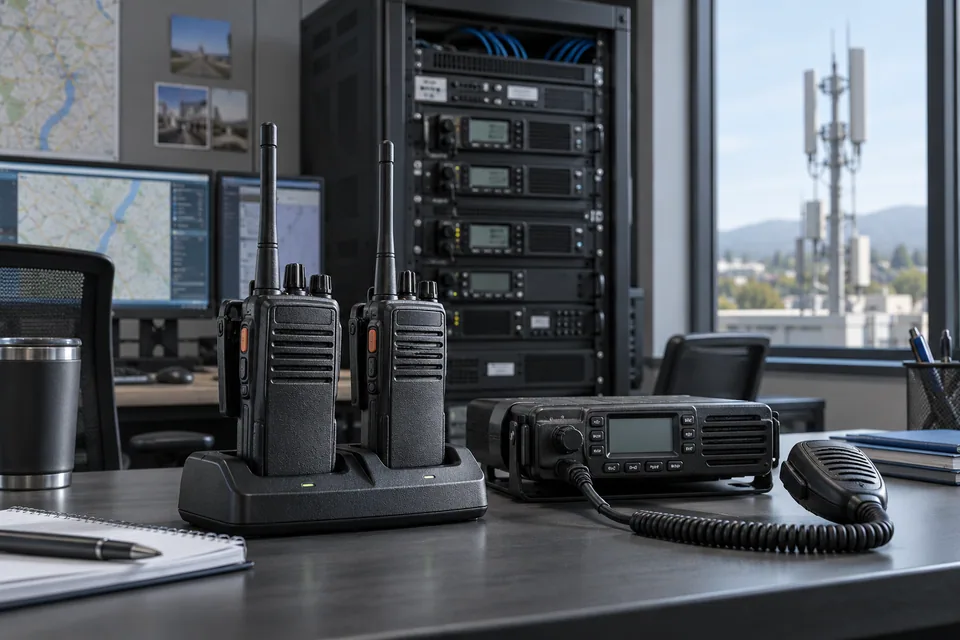
The operational challenge
What the system needs to solve.
A radio that works outdoors may fail in a basement or behind a concrete core. Coverage, channel planning, battery endurance, ambient noise and operator procedure matter as much as the handset.
Systems & applications
Choose the system around the job.
Explore the equipment and applications we can assess for your project. Your proposal defines the selected products, supported functions and installation scope.
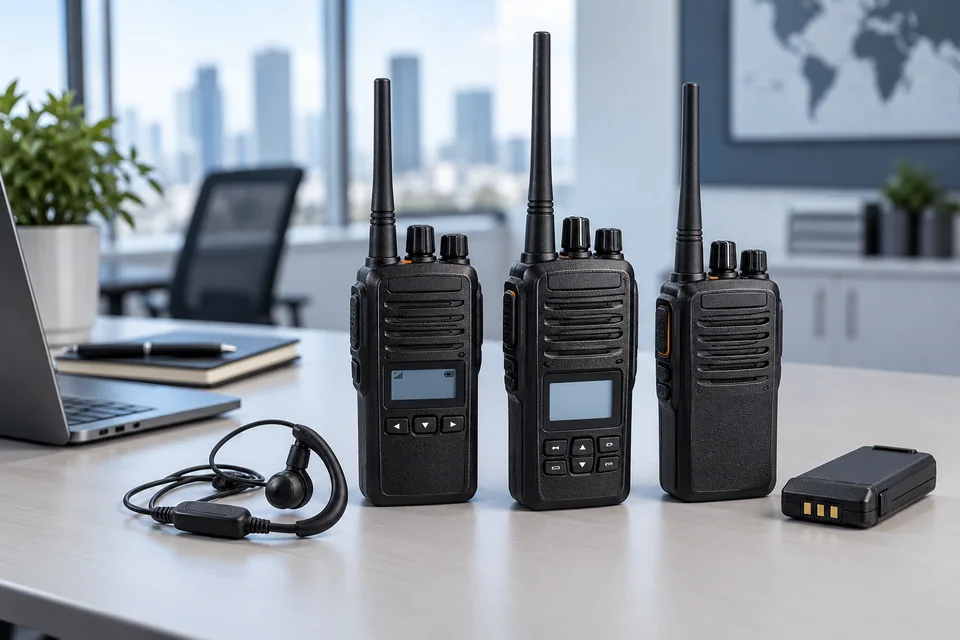
Portable two-way radios
Match handsets, audio accessories and charging to shift length and working conditions.
- Typical equipment
- Portable radios, chargers, earpieces and spare batteries
- Where it fits
- Security guards, facilities staff and field teams
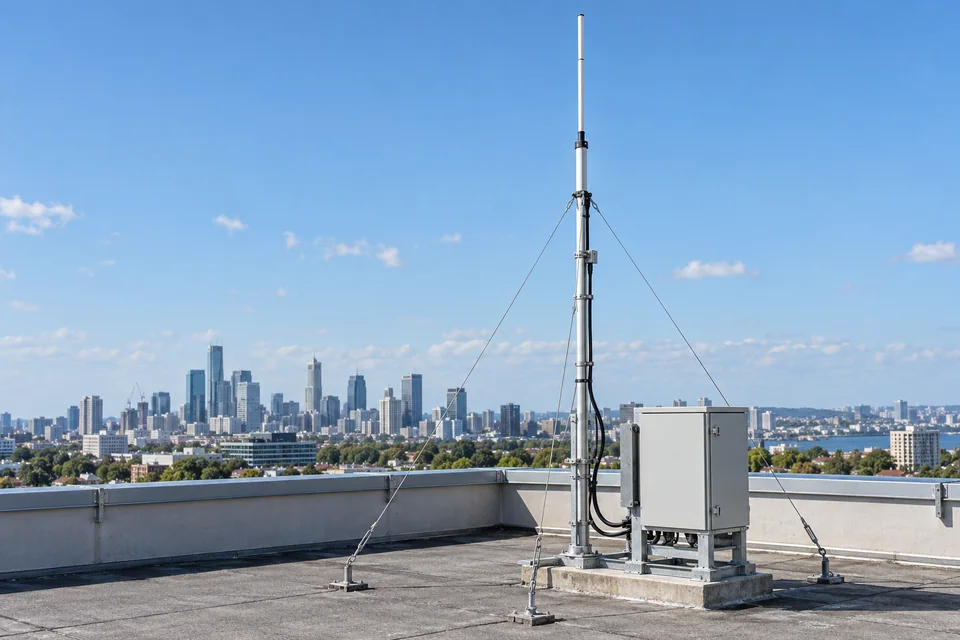
Base stations and repeaters
Review fixed coverage support and antenna arrangements for the defined operating area.
- Typical equipment
- Base radio, supported repeater and specified antennas
- Where it fits
- Dispatch points and sites with coverage constraints
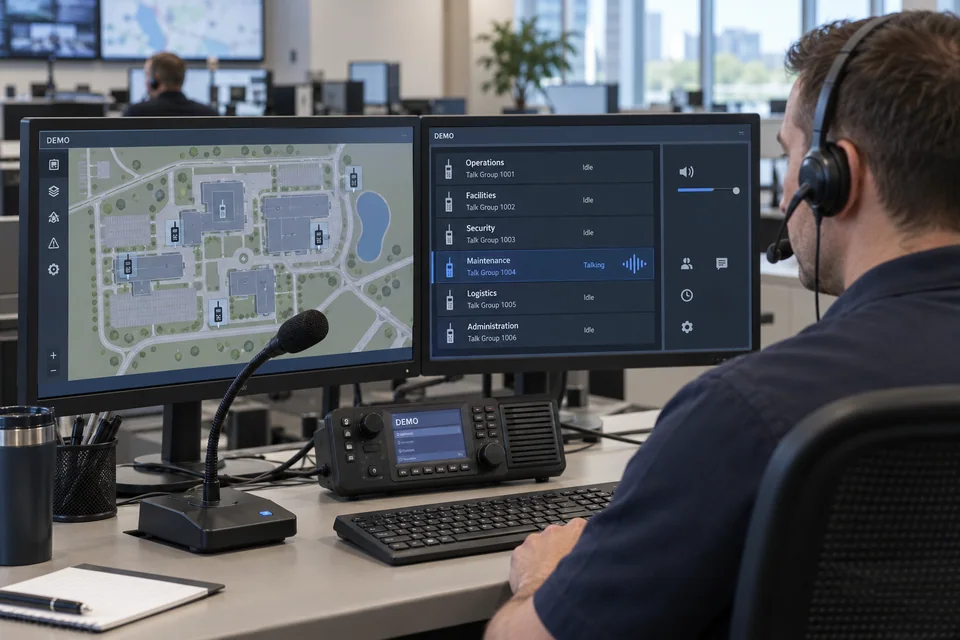
Dispatch coordination
Organize supported group calling, operator roles and event records.
- Typical equipment
- Compatible dispatch software, console and network interfaces
- Where it fits
- Control rooms and coordinated response teams
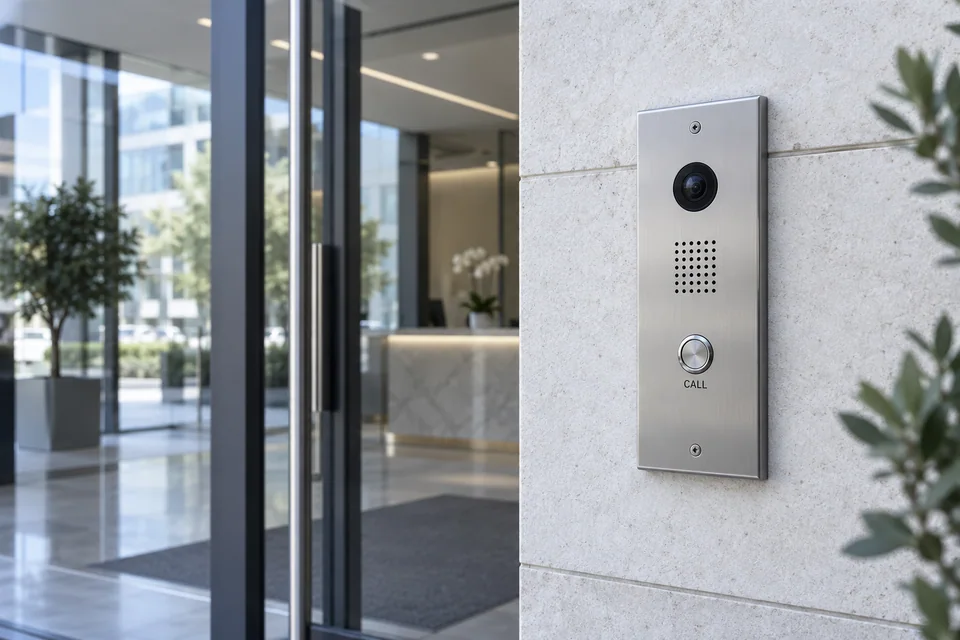
Intercom and IP communication
Provide fixed calling points and operator connections where a supported wired or IP system fits.
- Typical equipment
- Intercom stations, master station and network equipment
- Where it fits
- Entrances, reception and service points
Functions, equipment & operation
Make the important call understandable.
Explore the functions and design options below. The final components, licenses and integration scope are confirmed against your site requirements.
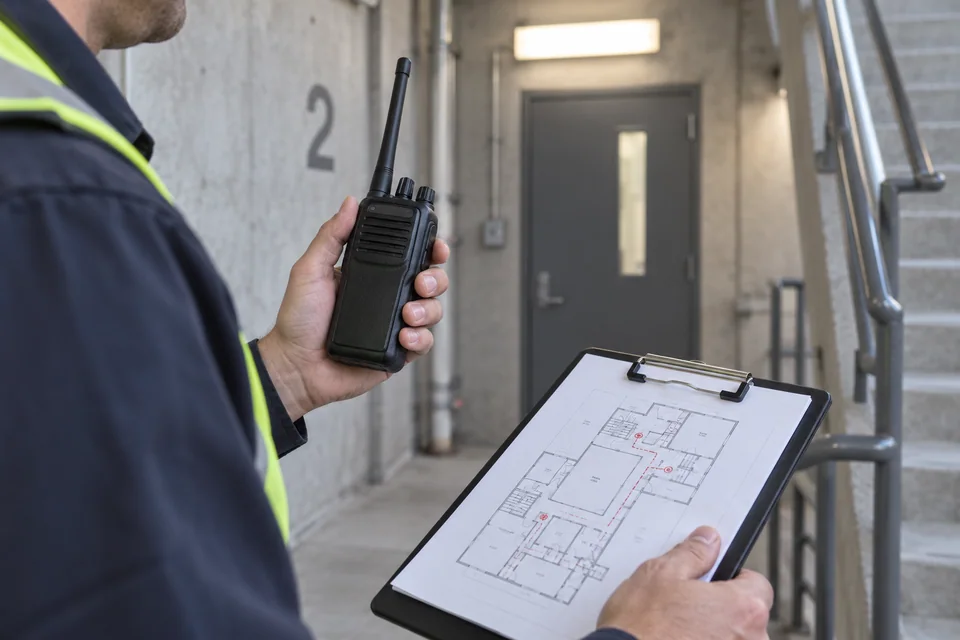
Survey difficult locations
Include basements, stairwells, plant rooms and noisy work areas in coverage checks.
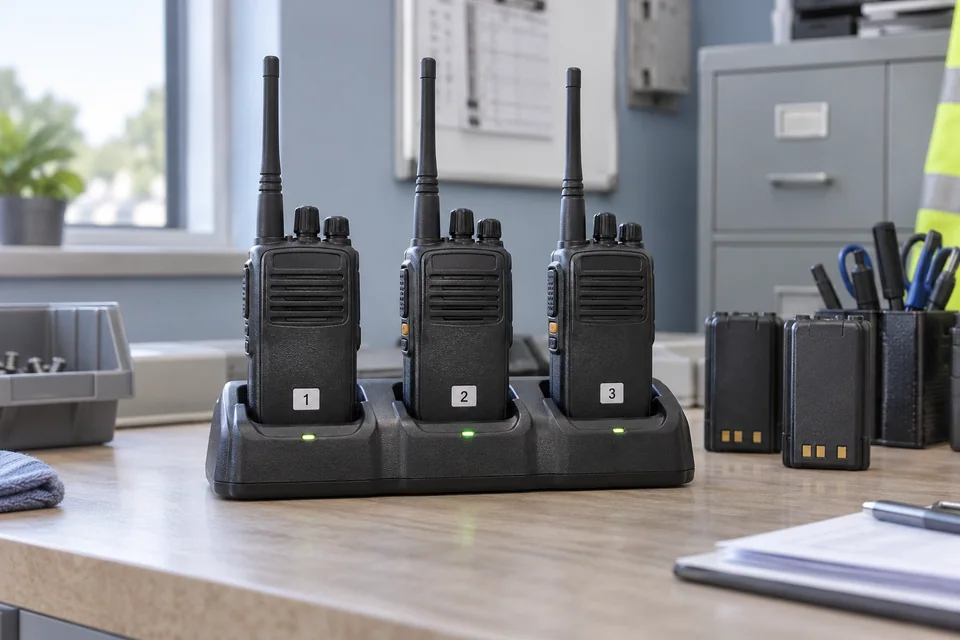
Plan the shift
Agree charging, spare batteries, handover and equipment identification.
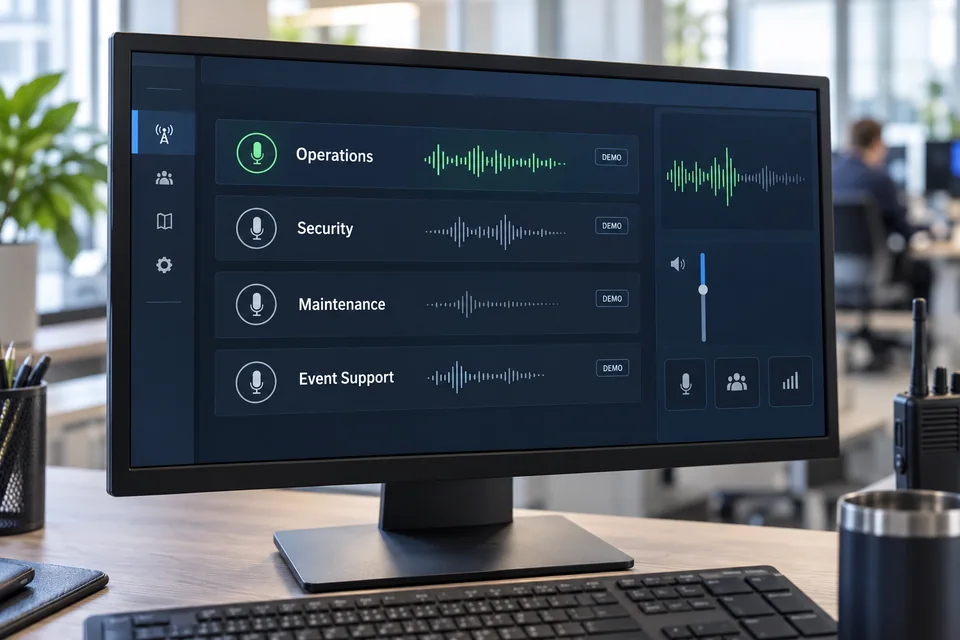
Keep channels usable
Define call groups, operating procedure and priority handling supported by the chosen system.
What makes up the system
- Portable and base radios
- Compatible repeater and antennas where required
- Dispatch console and audio accessories
- Intercom stations and supporting power/network
How the project works
- 01Map users, locations and call procedures
- 02Confirm equipment and authorization requirements
- 03Configure channels and supported interfaces
- 04Walk-test coverage and train operating teams
What we confirm before implementation
- Coverage map and difficult indoor locations
- Existing radio models and configuration
- User groups, battery and audio needs
- Authorizations, subscriptions and fallback procedures
Share your current equipment, site layout and operational priorities so the proposal can identify included functions, optional integrations and acceptance criteria.
In practice
Where it fits
Plan communications around your environment, equipment and the people who use it.
- Security and facilities teams
- Hotels, warehouses and industrial sites
- Campuses and coordinated field operations
Connected systems
for real impact
How it connects
- 01Portable / intercom user
- 02Radio or IP link
- 03Base / supported repeater
- 04Dispatch / team
- 05Acknowledgement and response
Technology shaped around your operation
Project preparation
Prepare your project brief
Mark the areas where communication is needed and where current equipment fails, then list the teams sharing the system.
Document the starting point
Use drawings, equipment records and current operating procedures to make the first review specific to your site.
- Coverage map and difficult indoor locations
- Existing radio models and configuration
Agree what the system must do
Agree charging, spare batteries, handover and equipment identification.
- User groups, battery and audio needs
- Authorizations, subscriptions and fallback procedures
Plan the handover
Define call groups, operating procedure and priority handling supported by the chosen system.
- Configure channels and supported interfaces
- Walk-test coverage and train operating teams
Questions about Communications
How far will the radios reach?
Coverage depends on terrain, construction, antennas, equipment and the permitted operating configuration. Test the actual site rather than relying on a single advertised range.
Can we reuse existing radios?
Review frequency band, channel configuration, digital or analogue mode and supported features. Devices should not be assumed interoperable solely because they are radios.
Are licenses or subscriptions required?
Requirements depend on the equipment, frequency use and service. Confirm applicable authorizations and any network subscription with the relevant provider before operation.


Project requirements
Discuss Communications requirements
Include the site location and existing equipment. Use the review points to prepare your inquiry.
Include in your inquiry
- Coverage map and difficult indoor locations
- Existing radio models and configuration
- User groups, battery and audio needs
- Authorizations, subscriptions and fallback procedures