
Solar & Energy
Solar street lighting, residential and commercial power, battery storage and remote systems.
Plan solar for the way your site uses energy: street and pathway lighting, rooftop generation, essential load backup, remote CCTV or agricultural water pumping. Match the panels, inverter, storage and monitoring to the actual application.
- Site focused
planning - Connected
systems - Ongoing
support
The operational challenge
What the system needs to solve.
A street light, a household and a warehouse need different solar designs. Daytime consumption, night operation, roof or pole conditions, grid availability and priority loads determine the right configuration.
Systems & applications
Solar for streets, homes and the places you work.
Explore the equipment and applications we can assess for your project. Your proposal defines the selected products, supported functions and installation scope.
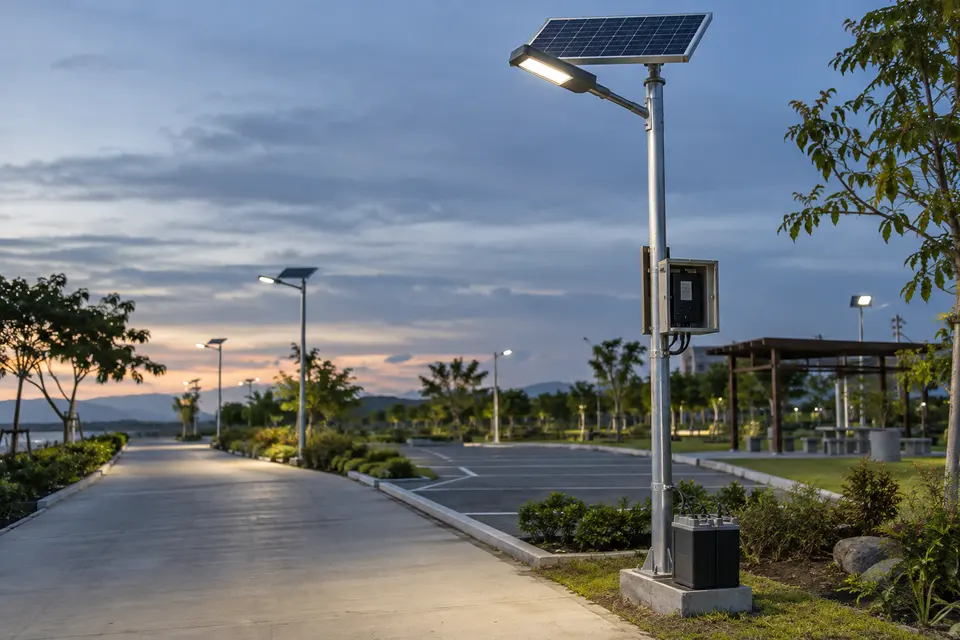
Solar street and pathway lighting
Illuminate roads, walkways and open spaces with independent solar lighting. Compare integrated and split designs; set pole spacing, light distribution and dimming schedules around the site.
- Typical equipment
- LED luminaires, PV panels, charge controllers, batteries and poles
- Where it fits
- Barangay roads, parks, paths and parking areas
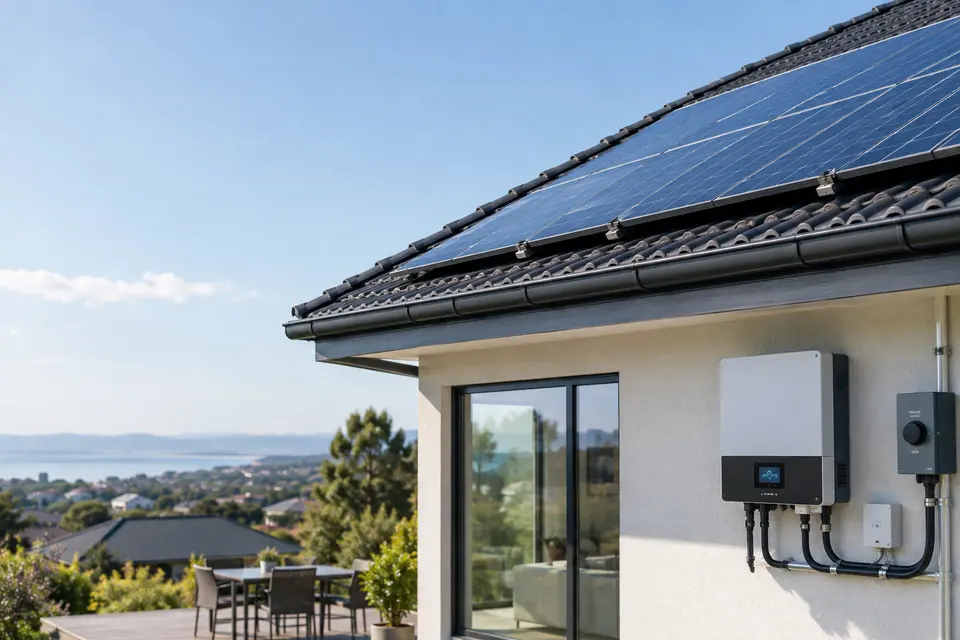
Residential rooftop solar
Use rooftop generation for household daytime demand. Review the roof, shading and actual electricity use before selecting an inverter or considering battery backup.
- Typical equipment
- PV modules, roof mounts, grid connected or hybrid inverter and monitoring
- Where it fits
- Homes, residential compounds and small buildings
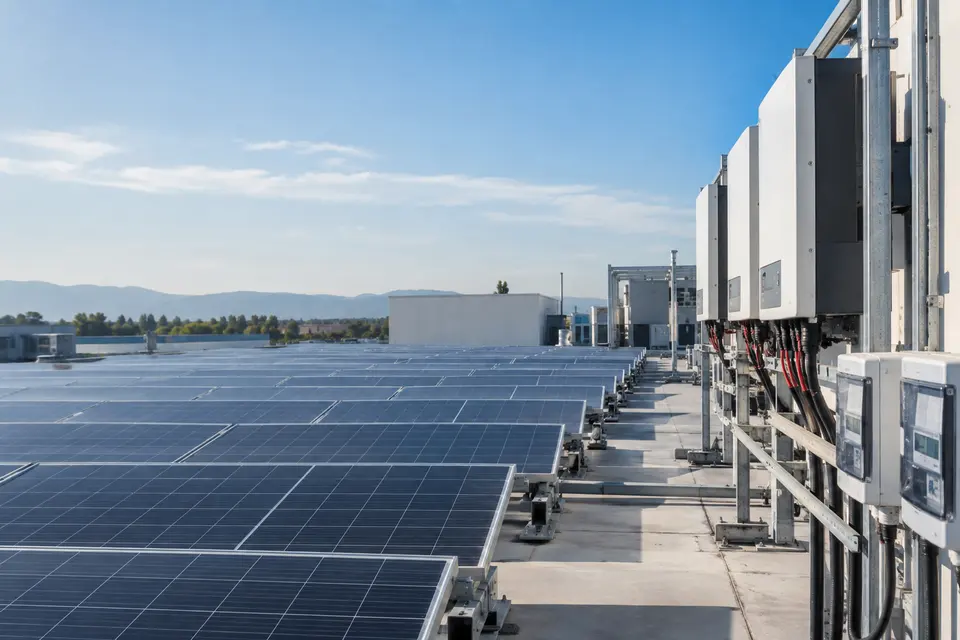
Commercial and industrial solar
Match rooftop or canopy generation to the facility load profile. Plan installation zones, maintenance access and electrical integration around business operating hours.
- Typical equipment
- PV arrays, string inverters, mounting system and energy meters
- Where it fits
- Offices, warehouses, factories and retail buildings
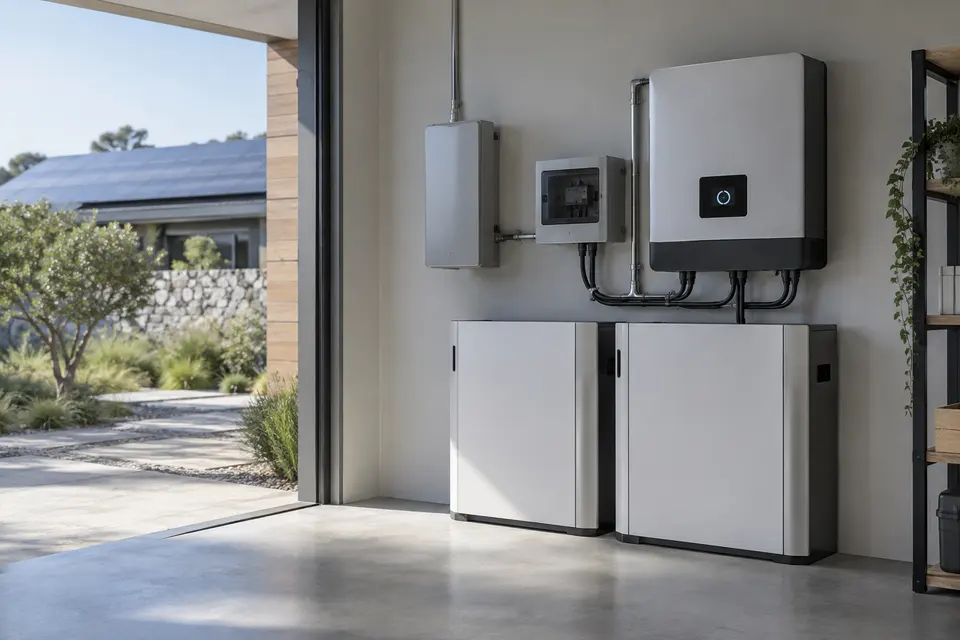
Hybrid solar and battery storage
Store energy for selected loads and supported operating modes. Define the essential circuits, usable storage and transfer behavior before promising backup time.
- Typical equipment
- Hybrid inverter, compatible batteries, battery management and backup interface
- Where it fits
- Homes, offices and facilities with priority loads
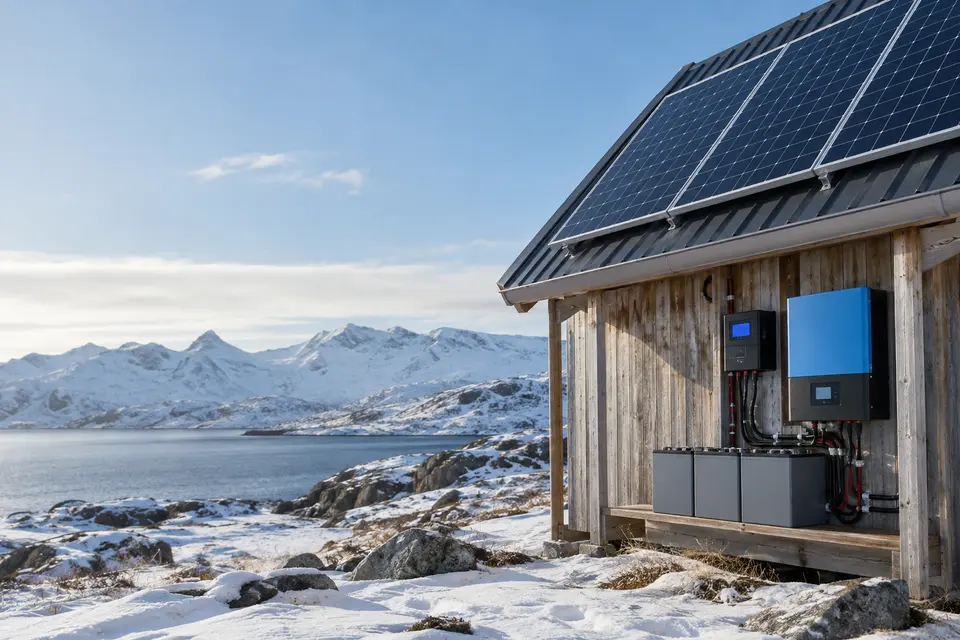
Independent off grid power
Design a stand alone supply for sites without a dependable grid connection. Balance daily demand, seasonal solar input and usable battery capacity, with an operating plan for low energy periods.
- Typical equipment
- PV array, MPPT controller, battery bank and suitable inverter
- Where it fits
- Remote buildings, outposts and field equipment
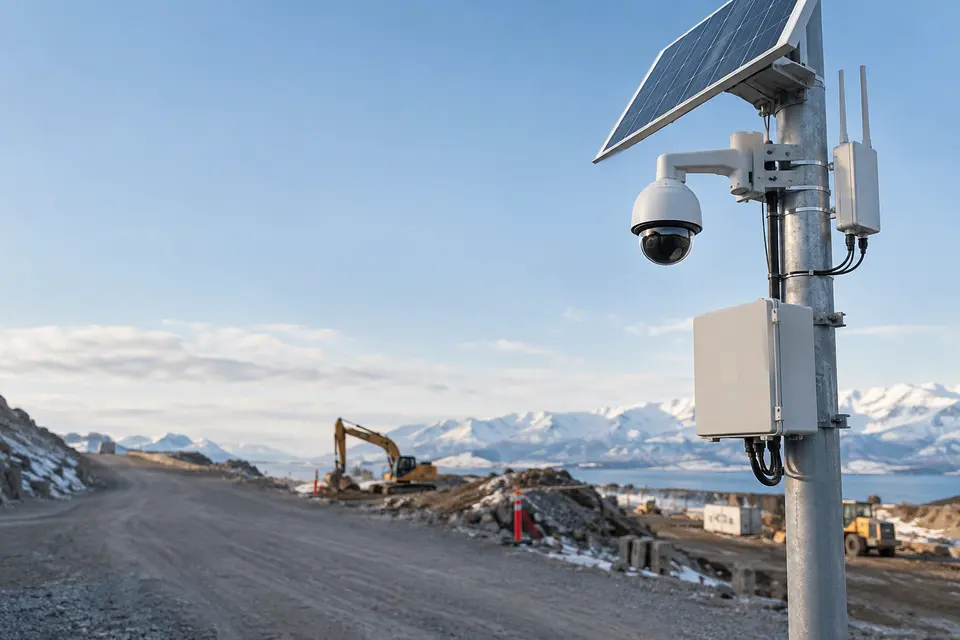
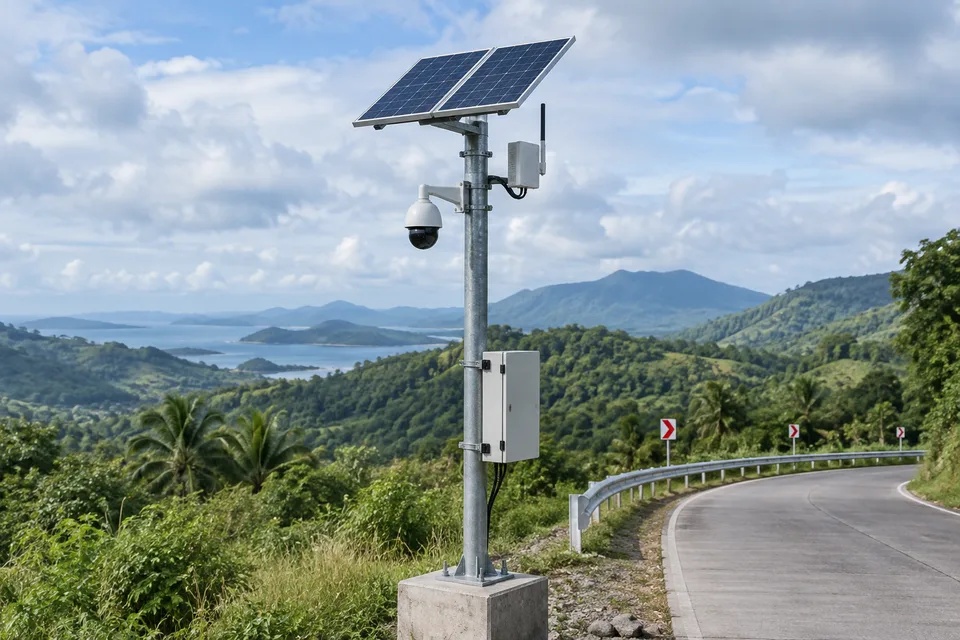
Solar CCTV and remote communications
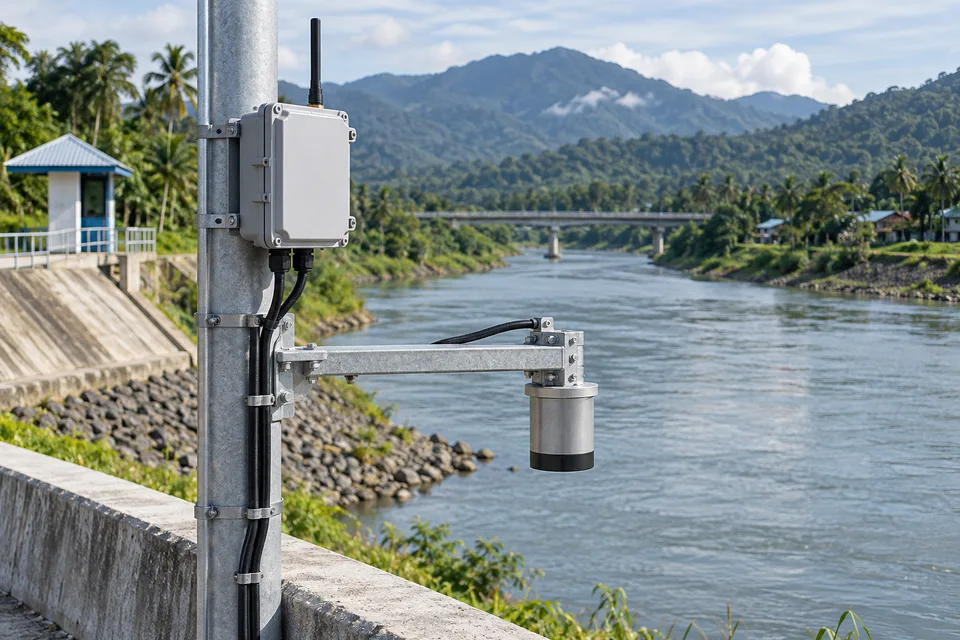
Power cameras, sensors and communication links as one field load. Keep lighting and surveillance demand in the same energy budget when they share a pole or battery.
- Typical equipment
- Camera, solar power kit, protected enclosure and radio/cellular link
- Where it fits
- Remote roads, construction sites and perimeter poles
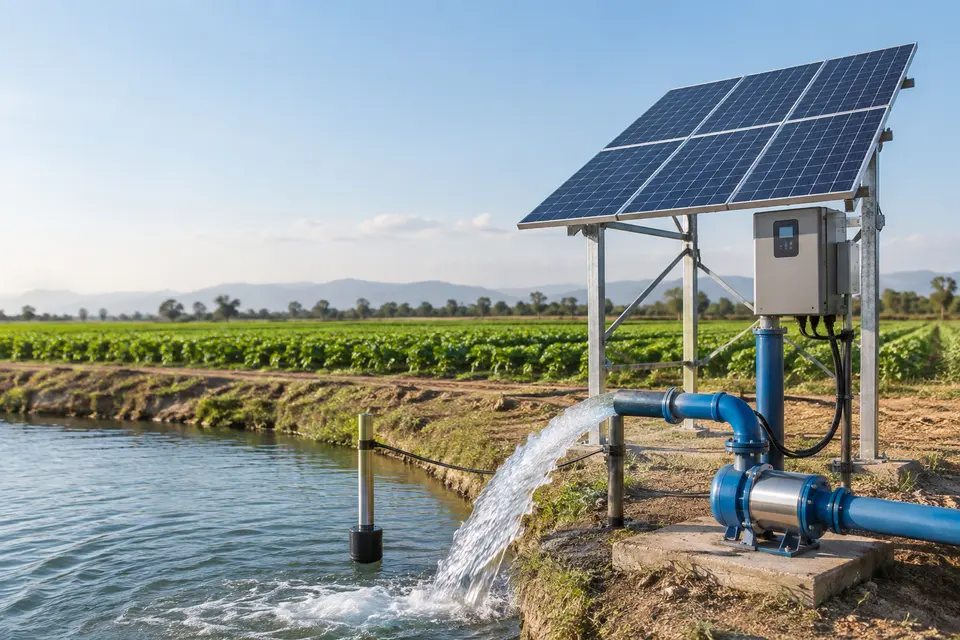
Solar water pumping
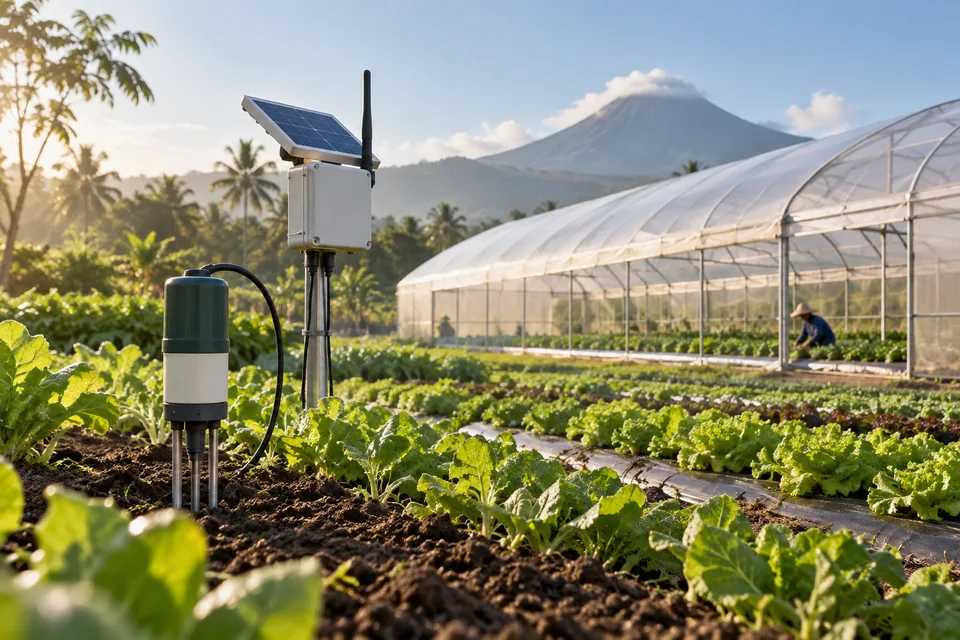
Assess solar pumping for water transfer, irrigation or livestock supply. Pump selection starts with required daily volume, water source and total head, not panel wattage alone.
- Typical equipment
- Solar pump, controller, PV array and water level protection
- Where it fits
- Farms, irrigation points and water storage sites
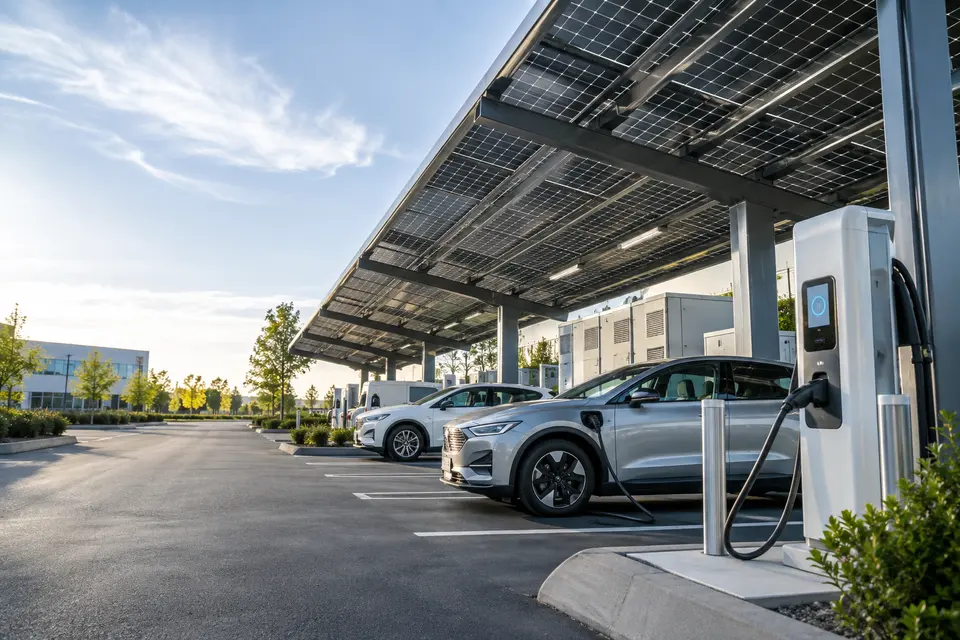
Solar carports and EV integration
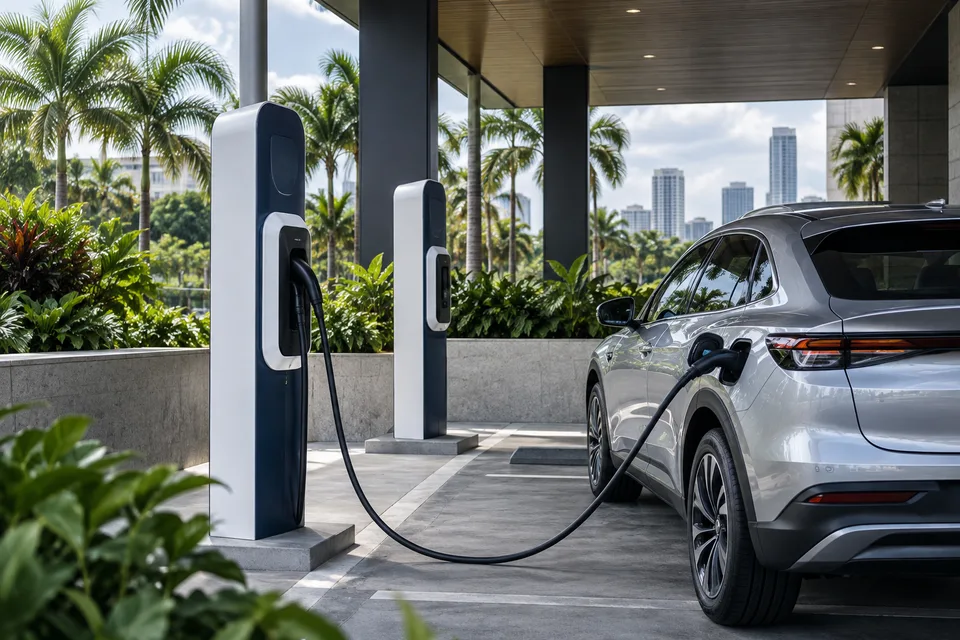
Consider solar canopies alongside charging infrastructure where the site suits it. Coordinate generation, building demand and charger load management within the available electrical capacity.
- Typical equipment
- PV canopy, inverter, metering and compatible EV charging controls
- Where it fits
- Workplaces, commercial parking and fleet facilities
Choose how your solar power works.
Grid connected
Designed to supply loads while the grid is available. Ordinary grid connected solar does not provide power during an outage; backup requires suitable equipment and a defined circuit arrangement.
Hybrid with storage
Combines generation and compatible battery storage. Backup capability depends on the inverter, transfer equipment and selected loads. Whole building backup is a separate sizing decision.
Off grid
Designed around independent operation, seasonal sunlight and stored energy. The load schedule and allowance for poor weather determine the system size and any supplementary supply.
For your site assessment: share the location, electricity bills or load list, roof or pole area, operating hours and the equipment that must stay powered. We check shading, mounting, wiring routes and maintenance access before sizing.
Functions, equipment & operation
Size the energy system around real demand.
Explore the functions and design options below. The final components, licenses and integration scope are confirmed against your site requirements.
Start with the application
For a home or business, review energy use across the day. For a street light, establish the lighting schedule. For a pump or remote camera, calculate its own operating cycle and power needs.
Match generation and storage
Compare site sunlight and shading with the load profile. Choose inverter or charge controller capacity, usable battery storage and any reserve needed for the agreed operating plan.
Design for installation and upkeep
Coordinate mounting, electrical protection, monitoring and access for inspection. Record the selected loads and settings so future additions do not silently exceed the system capacity.
What makes up the system
- PV modules with suitable roof, ground, canopy or pole mounting
- Application matched inverter or solar charge controller
- Compatible battery storage where required
- Electrical protection, isolators, cables, metering and monitoring
How the project works
- 01Survey the site, shading and energy demand
- 02Compare lighting, grid connected, hybrid or off grid options
- 03Confirm mounting, wiring, selected loads and the installation plan
- 04Commission generation, monitoring and any agreed backup behavior
What we confirm before implementation
- Daily energy use, peak demand and starting loads
- Solar exposure, roof or pole suitability and access
- Battery compatibility, usable capacity and operating reserve
- Grid connection requirements and backup transfer arrangement
- Monitoring ownership, inspection schedule and equipment warranties
Share your current equipment, site layout and operational priorities so the proposal can identify included functions, optional integrations and acceptance criteria.
In practice
Where it fits
Plan solar & energy around your environment, equipment and the people who use it.
- Barangay roads, parks and pathways
- Homes and residential compounds
- Commercial rooftops and industrial facilities
- Remote CCTV, communications and field sites
- Farms, water pumping and solar carports
Connected systems
for real impact
How it connects
- 01Site survey and load profile
- 02PV modules and mounting
- 03Inverter / charge control
- 04Storage, protection and selected loads
- 05Monitoring and maintenance
Technology shaped around your operation
Published scope
Supporting information
Published technology references
Referenced products and compatibility are confirmed for each project. Source inclusion is not a claim of authorized partnership.
Deye ↗SRNE ↗APC by Schneider Electric ↗KSTAR ↗SolaX Power ↗ChargeUPS ↗Questions about Solar & Energy
Can solar street lights operate without grid wiring?
Independent solar luminaires use their own panels, controller and battery. The lighting schedule, output, solar exposure and battery reserve are designed together. Integrated and split systems suit different pole and maintenance requirements.
Can you assess solar for a home or commercial building?
Yes. Share your electricity bills, location and roof information. We assess daytime use, shading, available mounting area and whether you need generation only or battery support for selected loads.
Will rooftop solar work during a blackout?
An ordinary grid connected PV system does not provide backup during an outage. A suitable hybrid or backup arrangement, compatible storage and defined circuits are required; not every hybrid inverter configuration supports the same loads.
How much battery backup do I need?
Start with essential loads, operating hours and starting demand. Usable battery capacity, inverter limits and the agreed reserve determine the expected runtime. A site calculation is needed before quoting hours or days.
Are solar savings or grid export guaranteed?
No fixed saving or export entitlement is assumed. The estimate depends on consumption, shading, generation and the applicable connection arrangement. Any utility approval or export scheme is checked as part of the project.
Can solar support cameras, pumps or EV chargers?
These can be assessed as separate load cases. Cameras need continuous power and communications; pumps need a water and head calculation; EV chargers require capacity and charging schedule coordination.

Project requirements
Discuss Solar & Energy requirements
Include the site location and existing equipment. Use the review points to prepare your inquiry.
Include in your inquiry
- Daily energy use, peak demand and starting loads
- Solar exposure, roof or pole suitability and access
- Battery compatibility, usable capacity and operating reserve
- Grid connection requirements and backup transfer arrangement
- Monitoring ownership, inspection schedule and equipment warranties